Night drone operations has gotten complicated with all the rule changes and lighting requirements flying around. As someone who’s been flying commercial night missions since the days when you needed a waiver for every single one, I learned everything there is to know about what the current rules actually require. Today, I will share it all with you.
The Big Rule Change
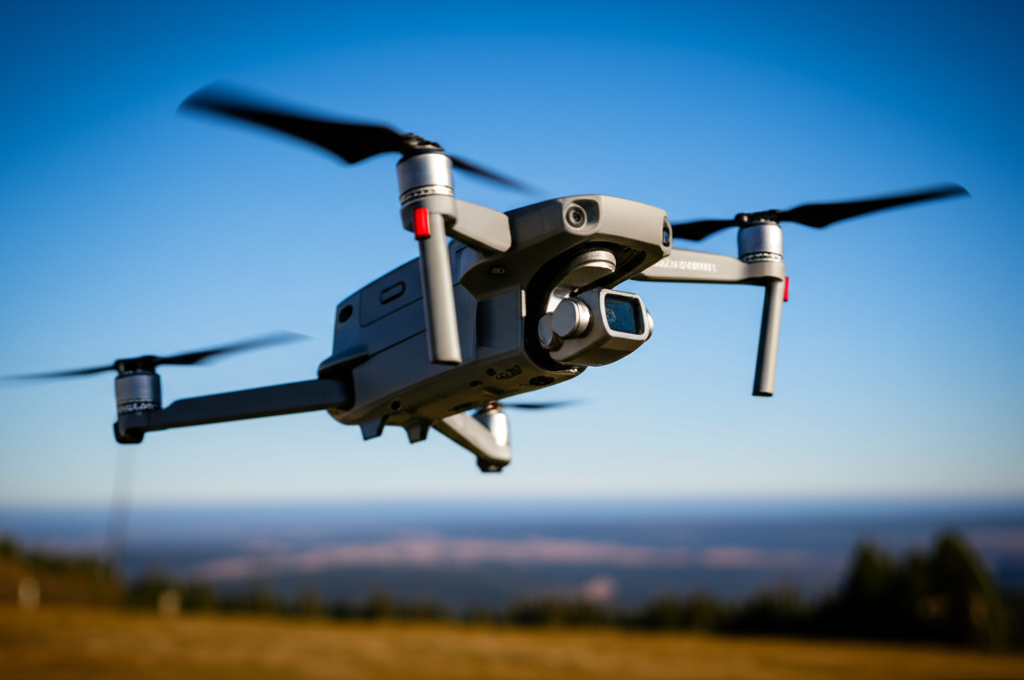
Night operations waivers are no longer required for Part 107 pilots following rule changes that took effect in 2021. That’s what makes this update endearing to us commercial operators — it eliminated one of the most frustrating barriers to getting legitimate paid work done after sunset. If you meet the anti-collision lighting requirements and have completed the updated recurrent training, you’re good to fly at night without a separate waiver.
Anti-Collision Lighting Requirements
Probably should have led with this section, honestly. The required lighting must be visible for three statute miles with a flash rate sufficient to avoid collision. That’s the legal standard, and it’s not optional. You can’t just slap any old LED on your drone and call it compliant.
Several aftermarket strobe lights are designed specifically to meet this requirement. The Lume Cube Strobe, Firehouse Technology strobes, and similar products are popular choices among commercial operators. I’d recommend testing visibility at night from various distances before your first paid night mission — what looks bright in your garage doesn’t always cut it at three statute miles in real-world conditions.
Position the light where it won’t interfere with your camera or sensors. Top-mounting works for most configurations, but test your specific setup to ensure the strobe doesn’t create flicker or reflection issues in your footage or data collection.
Training Requirements
To add night privileges to your certificate, you need to complete the updated Part 107 recurrent training or the initial knowledge test if you haven’t certified yet. The recurrent training now includes night operations content covering physiological factors affecting night vision, lighting requirements, and operational considerations specific to reduced visibility conditions.
Beyond what the FAA requires, I’d strongly recommend practicing night operations in a safe, open area before taking on paid work. Depth perception changes significantly at night, orientation can be tricky, and obstacle avoidance depends heavily on your lighting setup and situational awareness. Get comfortable with the unique challenges before you’ve got a client watching.
Practical Tips for Night Flying
From years of night operations experience, here’s what I wish someone had told me starting out. First, give your eyes 20-30 minutes to adjust to darkness before flying — screen brightness on your controller should be turned down too. Second, always have a spotter if possible, because your peripheral awareness drops dramatically at night. Third, know your return-to-home settings cold, because if you lose orientation, RTH might be your best friend. And fourth, scout your flying area during daylight so you know exactly what obstacles are out there before the sun goes down.