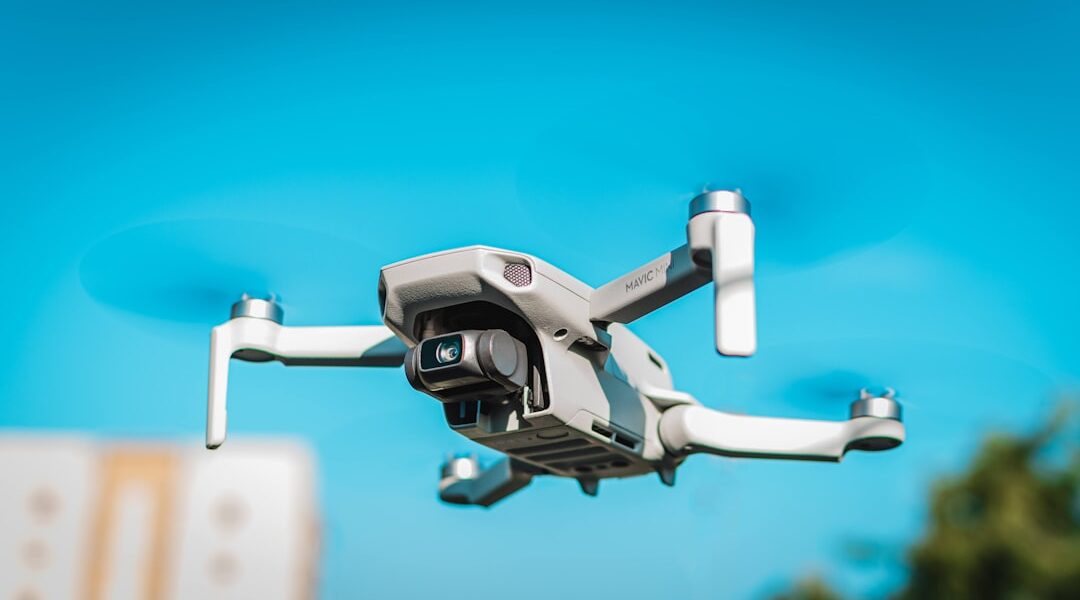
FAA Drone Registration Costs in 2026: What You’ll Actually Pay
FAA drone registration has gotten complicated with all the different rules for recreational versus commercial pilots flying around. As someone who went from hobby flyer to Part 107 certified—and had to figure out the fee structure along the way—I learned everything there is to know about what registration actually costs. Today, I will share it all with you.
Whether you’re capturing footage for fun or running a drone business, registration is mandatory for most unmanned aircraft. Here’s the real breakdown of what you’ll pay.
The Actual Fees (Simple Version)
Recreational Flying: $5 Total
That’s what makes recreational registration endearing to us hobby pilots—one $5 fee covers every drone you own. Own three drones? Five drones? Still $5 total. Valid for three years. Best deal in federal aviation.
Commercial (Part 107): $5 Per Drone
Commercial operators pay $5 per aircraft, each registered individually. Running a fleet of 10 drones? That’s $50. Also valid for three years. Factor this into business planning if you’re scaling up operations.
Who Actually Needs to Register
Before paying anything, check if your drone even requires registration:
- Weight threshold: Drones between 0.55 lbs (250g) and 55 lbs must register
- Under 250g exempt: Mini drones like DJI Mini series slip under the weight requirement
- Age requirement: Must be 13+ to register
- Citizenship: U.S. citizen or legal permanent resident
Probably should have led with this section, honestly. If your drone is under 250 grams, you can skip registration entirely. That’s why manufacturers specifically design consumer drones at 249 grams.
Part 107 Certification: The Full Cost
If you’re going commercial, registration is the cheap part. Here’s the real cost breakdown:
- Knowledge test: $175 (paid to testing center, non-refundable)
- Drone registration: $5 per aircraft
- Study materials: $0-$300 depending on how you prepare
- Certificate renewal: Free every 24 months (online recurrent training)
Minimum realistic budget: about $180 to get certified with one registered drone. Many pilots spend more on test prep courses to pass on the first attempt rather than paying the $175 test fee twice.
How to Actually Register
The process happens online through FAA DroneZone. Takes about 15 minutes:
- Go to faadronezone.faa.gov
- Create an account with your real information
- Select recreational or Part 107 registration
- Enter drone manufacturer, model, and serial number
- Pay $5 via card
- Get your registration number immediately via email
- Mark the number on your drone (visible without tools)
Renewal: Same Price, Every Three Years
Registrations expire after three years. Renewal costs the same as initial registration—$5 for recreational (all drones), $5 per drone for Part 107. The FAA sends reminder emails, but set your own calendar reminder. Flying with expired registration carries the same penalties as flying unregistered.
Penalties for Skipping Registration
Flying an unregistered drone that requires registration:
- Civil penalties up to $27,500
- Criminal penalties up to $250,000 and/or prison
- Most actual enforcement is much less severe, but it’s not worth the risk for a $5 fee
What Registration Actually Gets You
Registration provides:
- Legal authorization to fly (where otherwise permitted)
- Registration number linking drone to owner
- Proof of compliance for any airspace authorization requests
- Required foundation for LAANC access in controlled airspace
What it doesn’t get you: permission to fly anywhere you want, privacy from ATC systems, or exemption from other flight rules. Registration is step one of compliance, not the whole journey.
Bottom Line
For most pilots, drone registration costs $5 every three years. That’s cheaper than a coffee. The Part 107 path costs more upfront ($180+ minimum) but enables commercial operations. Either way, the fees themselves aren’t the barrier—understanding the rules and flying safely is the real investment.
Register through FAA DroneZone, mark your drone with the number, keep your certificate accessible during flights, and you’re legal. The process is straightforward once you know what category you fall into.



Stay in the loop
Get the latest wildlife research and conservation news delivered to your inbox.