Beyond Visual Line of Sight operations has gotten complicated with all the waiver requirements and evolving standards flying around. As someone who’s been through the BVLOS waiver process and tracked every policy update the FAA has put out, I learned everything there is to know about what this streamlined process means for commercial operators. Today, I will share it all with you.

The Streamlined BVLOS Waiver Process
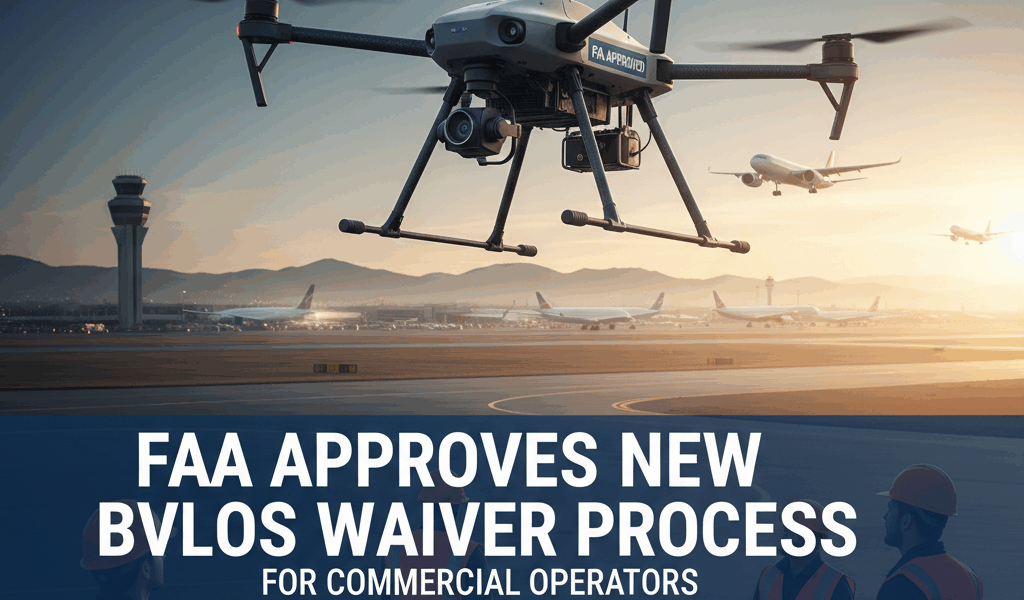
The FAA announced streamlined procedures for Beyond Visual Line of Sight waiver applications, and this is potentially a big deal for commercial drone operations nationwide. That’s what makes this announcement endearing to us commercial operators — BVLOS has been the most requested capability that’s also been the hardest to get authorized. Any steps toward making it more accessible matter.
What’s Actually Changed
Probably should have led with this section, honestly. The new process reduces documentation requirements for operators who have established safety records. If you’ve previously held BVLOS waivers and demonstrated successful compliance — meaning no incidents, proper documentation, and adherence to your waiver conditions — you may qualify for expedited review timelines. Instead of the months-long review process that’s been standard, operators with clean track records could see significantly faster turnaround.
This isn’t a free pass, though. First-time applicants still face the full review process with comprehensive documentation requirements. The streamlining primarily benefits operators who’ve already proven they can handle BVLOS operations safely. Think of it as a reward for demonstrated compliance rather than a wholesale change to the waiver system.
What You Still Need
Even under the streamlined process, BVLOS waiver applications require robust detect-and-avoid capabilities, detailed risk assessments, emergency procedures, and airspace coordination plans. The documentation burden may be reduced for repeat applicants, but the safety standards haven’t changed. You still need to demonstrate that your operations won’t endanger other airspace users or people on the ground.
If you’re considering applying for a BVLOS waiver for the first time, start building your safety documentation now. Having a solid safety management system, comprehensive operating procedures, and a track record of Part 107 compliance strengthens your application considerably.
Industry Response and Timeline
Industry groups including AUVSI and the Commercial Drone Alliance welcomed the changes as necessary steps toward routine BVLOS operations. Full implementation begins next quarter, which means operators who are ready can start taking advantage of the streamlined process relatively soon.
This streamlining sits within the broader context of the FAA working toward a full BVLOS rule that would eventually eliminate the need for individual waivers altogether. While that final rule is still likely a couple years out, each incremental improvement like this one makes BVLOS more practically achievable for commercial operators who need it. If you’ve been waiting to pursue BVLOS capabilities, now’s a good time to start preparing your application.