Drone-based infrastructure inspection has gotten complicated with all the different equipment options, client requirements, and regulatory considerations flying around. As someone who’s been running infrastructure inspection jobs for utility companies and telecom providers for years, I learned everything there is to know about building a real inspection operation from the ground up. Today, I will share it all with you.
Market Overview and Opportunities
Infrastructure inspection is one of the fastest-growing segments in commercial drone work, and for good reason. Traditional inspection methods using bucket trucks, scaffolding, and rope access teams cost way more than drone alternatives while putting workers in harm’s way from fall hazards and requiring extended asset downtime. I’ve seen drone inspection cut costs by forty to sixty percent while improving safety and keeping operations running. That’s what makes infrastructure inspection endearing to us commercial drone operators — it’s one of the few applications where the value proposition is immediately obvious to clients.
Key market segments include electrical transmission and distribution inspection, telecommunications tower assessment, wind turbine evaluation, solar panel thermal analysis, bridge and building facade inspection, and industrial facility monitoring. Each one has its own unique technical requirements and business development approaches, so don’t assume what works in one transfers directly to another.
Utilities are increasingly requiring drone inspection capabilities from their service providers. Getting in with utility contractors and demonstrating relevant experience opens doors to consistent, high-volume work. From my experience, the utility sector values reliability and safety records way more than creative capabilities — they don’t care about your cinematic reel.
Equipment Requirements
Probably should have led with this section, honestly. Infrastructure inspection demands very different capabilities than aerial photography or mapping work. Zoom cameras let you do detailed component inspection from safe distances. Thermal sensors detect electrical faults, insulation failures, and moisture intrusion that are completely invisible to standard cameras. Platform stability matters way more than speed or agility here.
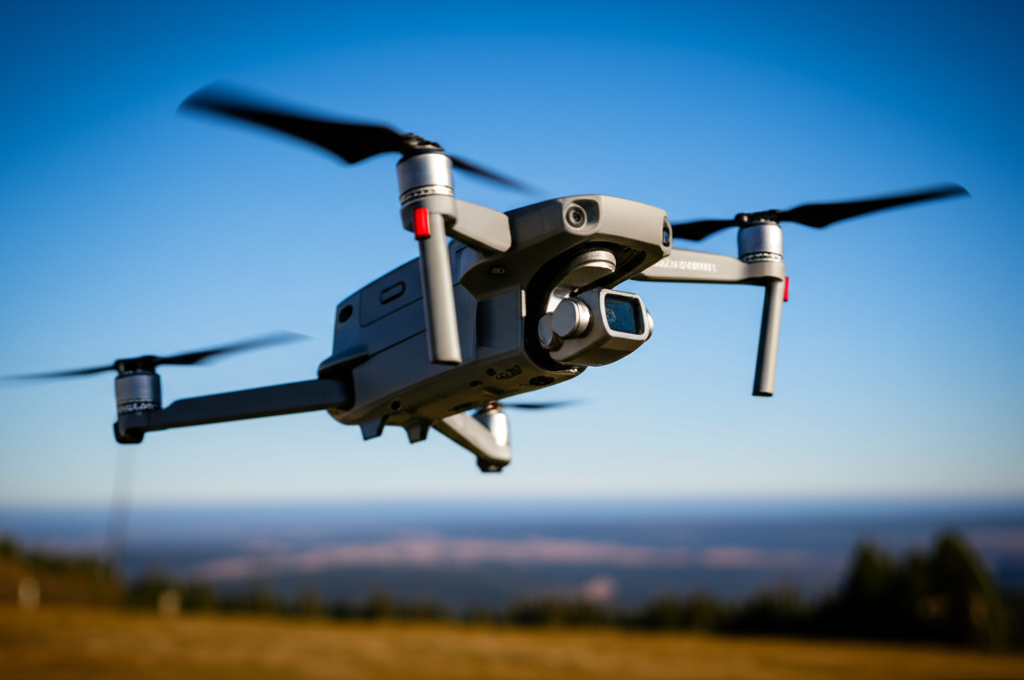
Enterprise-grade aircraft from DJI, Autel, and other manufacturers offer inspection-focused configurations. The DJI Matrice series with Zenmuse cameras is the proven workhorse with an extensive accessory ecosystem. Autel EVO II platforms offer competitive alternatives with different payload options. I’ve run both and they each have their strengths.
Zoom camera selection has a massive impact on inspection quality. Optical zoom maintains image quality across magnification ranges while digital zoom degrades resolution — this matters a lot when you’re trying to identify a hairline crack on a conductor splice. Hybrid zoom systems combine optical and digital capability for maximum flexibility. Higher zoom capability means greater standoff distances from energized equipment, which your safety team will appreciate.
Thermal cameras require understanding resolution, sensitivity, and temperature range specs. Higher resolution thermal sensors reveal smaller temperature anomalies that lower-res sensors just miss. Radiometric capability enables accurate temperature measurement rather than just relative comparison. Make sure you understand calibration requirements and accuracy specifications if clients need quantitative thermal analysis — some contracts are very specific about this.
Regulatory Considerations
Infrastructure inspection frequently puts you near or over people, in controlled airspace, and occasionally beyond visual line of sight. Getting a handle on waiver requirements and authorization processes is what separates legitimate operators from the folks who get enforcement letters.
Operations over people got easier under updated Part 107 rules for Category 1 and 2 aircraft meeting specific requirements. However, a lot of inspection scenarios involve sustained operations over workers that may require Category 3 or 4 authorization. You’ve got to evaluate each mission against current regulations — there’s no one-size-fits-all answer here.
Utility corridors often cross through controlled airspace near airports. LAANC authorization typically covers routine inspection work, but complex missions may need coordination with airport authorities or temporary flight restrictions. My advice — plan airspace authorization early in the project planning process, not the day before the job.
Some clients require specific certifications beyond Part 107. OSHA training, utility-specific safety certifications, and security clearances may be prerequisites for certain inspection contracts. I’ve invested in several additional certifications over the years and every one has paid for itself in contract access.
Flight Planning for Inspection
Inspection flight planning is a different animal than mapping or photography missions. Instead of systematic coverage patterns, inspection flights often follow linear assets or focus on specific components identified for detailed examination. You need flexible flight planning that can accommodate discoveries made during the inspection itself.
Pre-mission site assessment identifies hazards, access points, and communication requirements. Overhead power lines present obvious collision risks — and yes, I’ve seen experienced pilots get close calls because they were focused on the asset they were inspecting instead of what was around them. Ground hazards including vehicles, personnel, and equipment require constant awareness. Always coordinate with site personnel to understand operational constraints and safety protocols.
Weather considerations for inspection include wind effects on platform stability, lighting conditions affecting visual inspection, and ambient temperature impacting thermal measurement accuracy. Here’s a tip from years of experience — morning thermal inspections often reveal temperature differentials that get completely obscured by afternoon solar heating. Schedule accordingly.
Battery planning has to account for hover-intensive operations that burn through power much faster than forward flight. Inspection missions often require multiple battery changes to complete comprehensive assessments. Position your landing zones and spare batteries for efficient swap operations, because every minute on the ground is time the client is paying for.
Data Collection Techniques
Systematic documentation is what separates professional inspection services from someone just flying around with a camera. Establish consistent naming conventions that link images to specific asset components. GPS coordinates embedded in image metadata support integration with the client’s asset management system.
Visual inspection protocols should specify camera settings, approach angles, and required views for each component type. When you standardize procedures, you get complete coverage regardless of which pilot is performing the inspection. Documentation templates guide field operations and make quality assurance review much smoother.
Thermal inspection requires understanding heat flow principles and interpreting thermal patterns. Electrical faults show up as hot spots at connections, splices, and damaged components. Insulation failures reveal building envelope deficiencies. Moisture intrusion creates characteristic cooling patterns as water evaporates. Learning to read thermal imagery accurately takes practice and training — don’t wing it.
Video recording complements still imagery for dynamic inspection scenarios. Live video streaming lets remote experts participate in real-time inspection decisions, which is increasingly common on high-value assets. Recorded video also provides context that individual images sometimes lack.
Deliverable Preparation
This is where a lot of drone operators fall short, and it’s a shame because your reports are what clients actually pay for. Inspection reports transform raw data into actionable intelligence for asset managers. Clear organization, consistent formatting, and professional presentation are what distinguish quality inspection services from commodity data collection.
Annotated images should highlight deficiencies with arrows, circles, and text callouts. Severity ratings prioritize repair urgency so maintenance teams know what to tackle first. Location references need to be specific enough that field crews can actually find the identified issues without a treasure map. Comparison images from previous inspections showing condition progression are incredibly valuable for demonstrating ROI to clients.
Executive summaries give decision-makers key findings without requiring them to slog through detailed technical review. Statistical summaries quantify asset condition across inspection portfolios. Trend analysis from repeated inspections reveals maintenance effectiveness and guides capital planning — this is where long-term client relationships get built.
Data format requirements vary by client. Some need integration with specific asset management systems. Others want GIS-compatible formats for mapping applications. Understanding client data requirements before you go to the field ensures deliverables meet expectations without costly rework. I learned this one the hard way early on.
Quality Assurance Processes
Quality control procedures catch errors before deliverables reach clients, which is critical for maintaining your reputation. Multiple review stages verify data completeness, image quality, and report accuracy. Checklists ensure consistent application of quality standards across all projects.
Image quality assessment screens for focus, exposure, and coverage completeness. Blurry images or missed components mean return visits that eat into your profit margins. Catching quality issues during field work lets you correct them immediately — this alone has saved me countless headaches.
Report review verifies findings accuracy, location correctness, and appropriate severity ratings. Having a second reviewer perspective catches mistakes the original analyst overlooked. The investment in quality processes protects your reputation and client relationships long-term.
Building an Inspection Business
Successful inspection businesses combine technical capability with industry knowledge and relationship development. Understanding your client industries means you can speak their language and anticipate their needs. Technical skill alone rarely wins contracts — I’ve seen plenty of excellent pilots lose out to operators who simply understood the client’s business better.
Reference projects demonstrate capability to prospective clients. Detailed case studies showing problems identified, methodology employed, and client outcomes build credibility in ways that marketing claims just can’t match. Testimonials from satisfied clients provide social proof that’s worth its weight in gold when you’re bidding on new contracts.
Insurance requirements for inspection work often exceed standard drone coverage. Clients may require specific policy types, coverage amounts, and additional insured endorsements. Verify insurance requirements early in business development discussions — you don’t want to find out you’re underinsured after you’ve already committed to a project.


Stay in the loop
Get the latest dronefaaregulations updates delivered to your inbox.