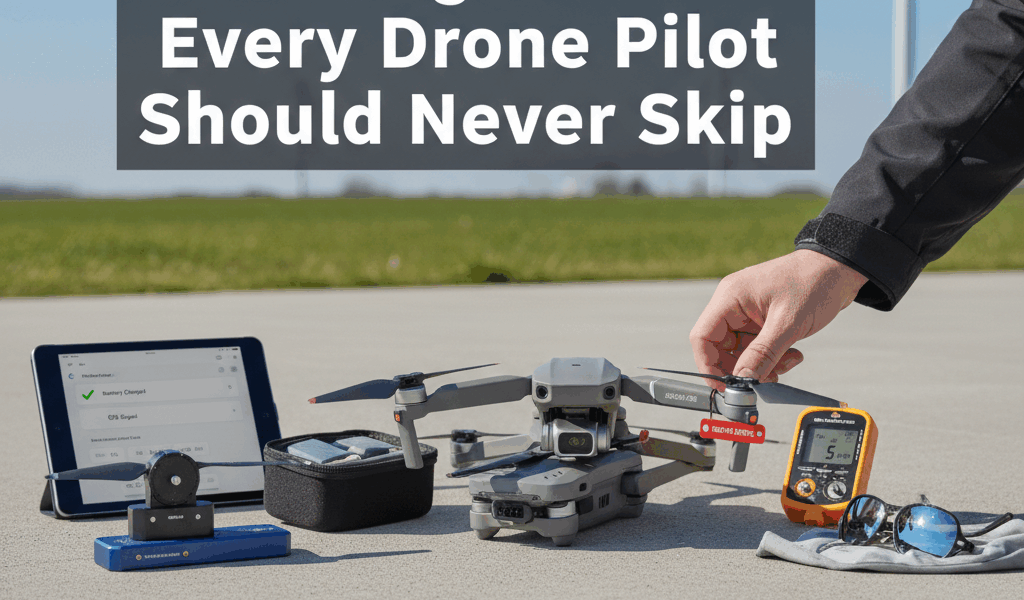
5 Essential Pre-Flight Drone Checks You Can’t Skip
Pre-flight checks have gotten complicated with all the battery management systems and firmware updates flying around. As someone who crashed a $3,000 drone because I skipped a simple propeller inspection, I learned everything there is to know about the critical pre-flight checks that actually matter. Today, I will share it all with you.
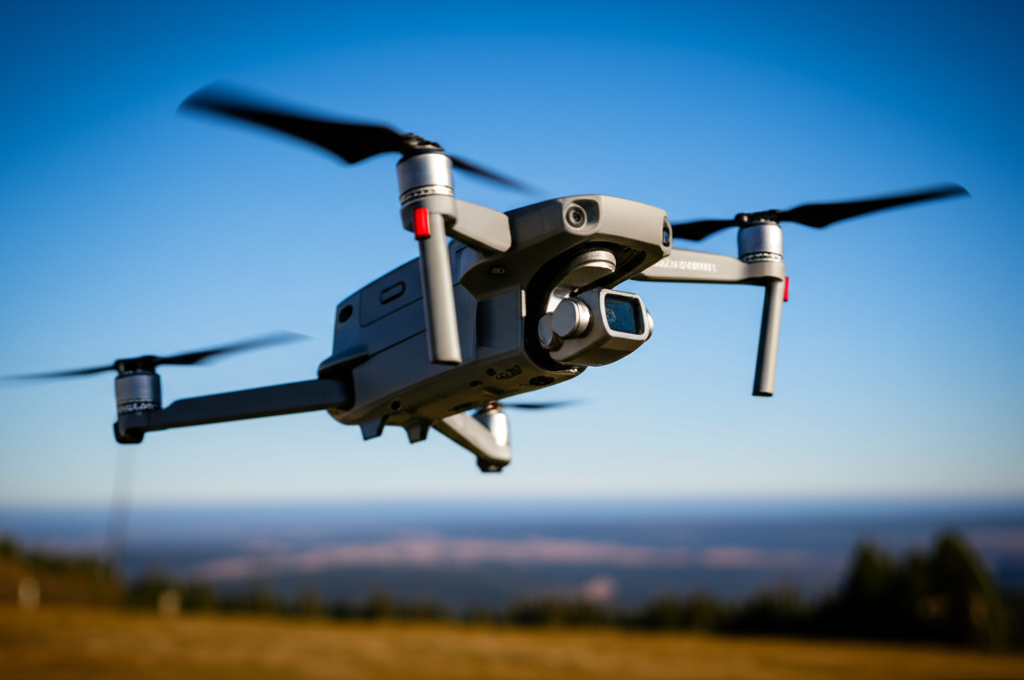
I was in a rush for a commercial shoot and skipped my propeller check. The cracked prop I didn’t notice failed mid-flight, sending my Mavic into a building. The client wasn’t happy, and my insurance premiums went up. That expensive mistake taught me to never skip the basics.
Pre-flight inspections prevent the majority of drone accidents and equipment failures. These five essential checks take less than five minutes but can save your aircraft and keep your operations compliant with FAA requirements.
1. Battery Health Check
Probably should have led with this section, honestly. Inspect batteries for swelling, damage, or discoloration before every flight. Check charge levels and verify the battery is properly seated in the aircraft. Swollen batteries pose fire risks and should be retired immediately regardless of remaining capacity.
For lithium polymer batteries, ensure storage voltage was maintained between flights. Batteries stored fully charged or fully depleted degrade faster and may deliver unpredictable performance during critical flight phases.
2. Propeller Inspection
Examine each propeller for cracks, chips, or damage along the leading edge. Small nicks that seem insignificant can cause vibration issues and reduced efficiency. Replace propellers at the first sign of damage rather than risking mid-flight failure.
Verify propellers are installed on correct motors with proper rotation direction. Cross-threaded or loosely attached propellers cause crashes during aggressive maneuvers. Spin each propeller by hand to confirm smooth rotation and secure attachment.
3. Firmware and App Status
Check for pending firmware updates before flying in critical situations. While updates generally improve performance, newly released firmware occasionally introduces bugs. Update during non-critical flights when you can safely test new features.
Verify your flight app displays current maps and airspace data. Outdated airspace information may show incorrect restrictions, leading to inadvertent violations or missed authorization requirements.
That’s what makes modern drones endearing to us commercial pilots—the firmware updates genuinely fix issues and improve safety, as long as you test them before critical operations.
4. Control Link Test
Power on your controller and aircraft, then verify solid connection before taking off. Test all control inputs by observing gimbal and motor responses while the aircraft remains on the ground. Signal interference at your location should be identified before launch, not during flight.
Check return-to-home settings and verify the home point is set correctly. An incorrect home point can send your aircraft to an unintended location during a signal loss event.
5. Environmental Assessment
Evaluate current and forecast weather conditions including wind speed, precipitation probability, and visibility. Check for temporary flight restrictions that may have been issued since your last flight planning session. Verify your planned operations remain legal and safe given current conditions.
Scan the immediate area for obstacles, people, and potential interference sources. Identify safe emergency landing zones before launching. Know your abort plan before you need it.
Making It Routine
Create a physical or digital checklist that you follow before every flight. Consistent routines catch problems that casual inspection misses. Commercial operators should document pre-flight checks for liability protection and client assurance.
These five checks require minimal time but prevent the majority of preventable drone incidents. Make them automatic habits rather than optional steps you skip when feeling rushed.